Monsoon Season Driving Tips for Southern Utah | Rowley Boys Towing – St. George
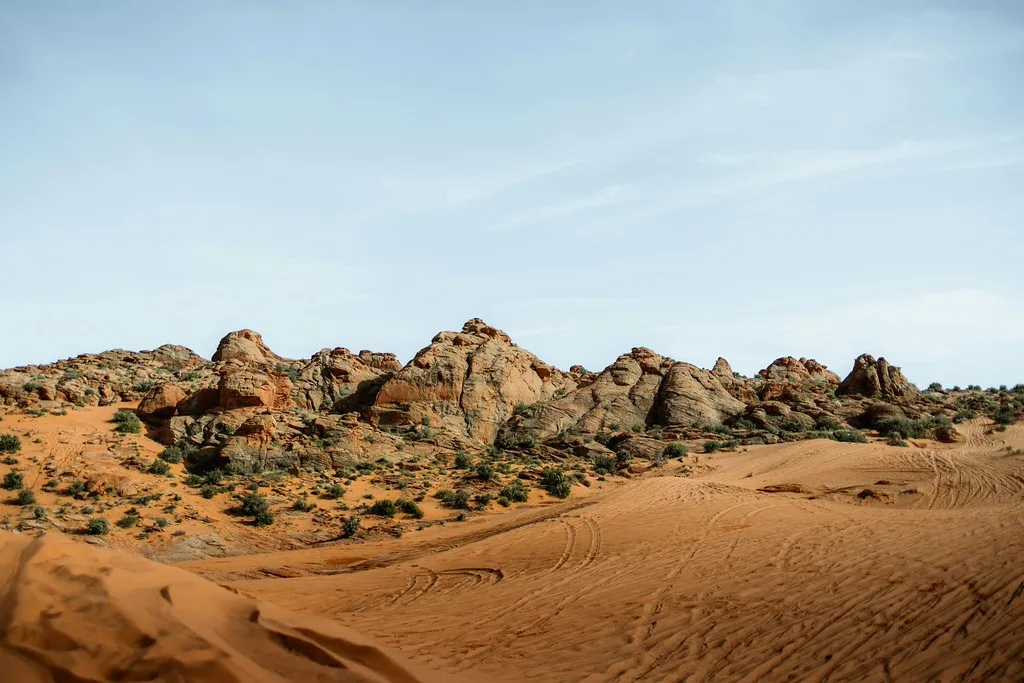
If you've lived in St. George through a summer, you know the pattern. Clear blue morning. Clouds building over Pine Valley Mountain by lunch. And by 3pm, a wall of rain dumping an inch of water on ground so dry and hard-baked it might as well be pavement.
That's monsoon season — roughly July through September in Southern Utah — and it produces some of the most dangerous driving conditions we see all year. Not because the rain lasts long, but because of how fast conditions change. Here's how to stay safe when the sky opens up.
Turn Around, Don't Drown — Seriously
You've heard the slogan. Here's why it exists: it takes as little as 12 inches of moving water to float most cars, and about two feet to carry away trucks and SUVs. And here's the part people underestimate — you cannot judge the depth of moving water by looking at it, and you can't see whether the road underneath is even still there. Flash floods routinely wash out the roadbed entirely.
If water is flowing across the road, do not cross it. Not in your Civic, not in your lifted F-350. Find another route or wait it out. Desert flash floods usually recede almost as fast as they rise — twenty minutes of patience beats a swept-away vehicle every time.
Know Where the Water Runs
The most dangerous spots during a monsoon storm aren't always where the rain is falling. Flash floods travel — a storm over Zion or the Pine Valley Mountains can send a wall of water down a wash that hits a road miles away under sunny skies.
Around here, pay special attention to:
- Low-water crossings and dips on rural roads, where washes cross the pavement
- Underpasses, which collect runoff fast
- Roads near the Virgin and Santa Clara Rivers during heavy upstream rain
- Southern Parkway and outlying areas where desert washes cross under or over roadways
If a road is barricaded, it's barricaded for a reason. Driving around a flood barricade isn't just dangerous — in many cases it can make you liable for the cost of your own rescue.
Hydroplaning: The First Ten Minutes Are the Worst
The first rain after a long dry spell mixes with months of accumulated oil and rubber on the road surface, creating a slick film that's at its worst in the first ten to twenty minutes of a storm. Add standing water and you've got prime hydroplaning conditions.
To keep your tires gripping:
- Slow down. Hydroplaning risk climbs sharply above 35–40 mph on wet roads.
- Don't use cruise control in the rain. If you start to hydroplane with cruise on, the car can accelerate the spin.
- If you feel the wheels float, ease off the gas, keep the wheel straight, and let the car slow until the tires reconnect. Don't stab the brakes.
- Check your tread. Worn tires are exponentially worse in water. (Our summer tire safety post covers how to check.)
Dust Before the Rain
Monsoon storms often push a wall of dust ahead of them — sometimes dropping visibility to near zero in seconds. If you get caught in blowing dust: pull completely off the roadway, stop, turn off your lights, and keep your foot off the brake. It sounds backwards, but taillights in a dust storm cause chain-reaction crashes as drivers behind you follow your lights, assuming you're still moving.
If Your Vehicle Stalls in Water
If you misjudged a puddle and the engine dies:
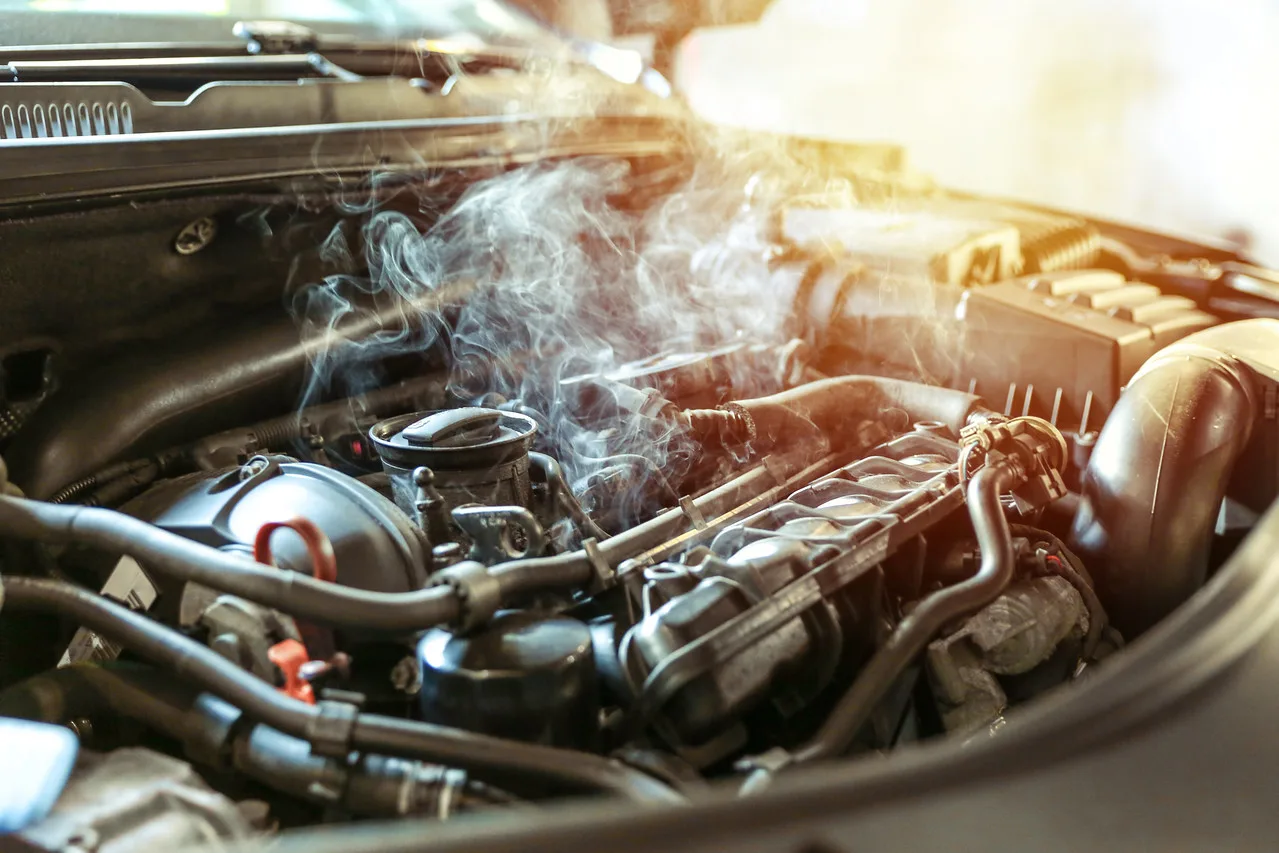
Don't restart it. If water got into the engine, cranking it can turn a repairable problem into a destroyed engine (it's called hydrolock, and it's as expensive as it sounds). Get out if water is rising. Your vehicle is replaceable. Once you're safe, call for a tow. A vehicle that's been through water needs to be checked before it runs again — fluids, electronics, and brakes can all be compromised.
Monsoon Season Prep Checklist
- Fresh wiper blades (desert sun destroys them — check every summer)
- Tires with healthy tread
- Working headlights (Utah law: wipers on = headlights on)
- Phone charger and water in the vehicle
- Our number saved: 435-773-2775
Caught Out in a Storm?
Rowley Boys Towing runs 24/7 roadside assistance and towing across St. George and Southern Utah, monsoon or shine. If your vehicle stalls, floods, or slides off a wet road this summer, call us at 435-773-2775 — we'll get you and your vehicle somewhere dry.